THE CLIENT: Facebook (desktop web)
THE ROLE: product content design lead
The CONCERN: facebook’s web home needed a refresh.
THE QUESTION: can WE MAKE SOMETHING simpler that performs better?
THE SHORT ANSWER: yes, a complex experience needs a curated home.
I partnered directly with the principal product leaders of my team on Facebook Web to host the Facebook Social Design Team’s first-ever AI-native design sprint: Facebook Desktop Web Home Modernization. Facebook has a long legacy of hackathons and “war room” efforts, and this sprint was no different. The team decided to build around our existing AI capability limits to build the company’s first living AI prototype (primarily using Cursor and VScode). We needed to move fast and only had 3 days together in Seattle to onboard to AI tools and make something big happen.
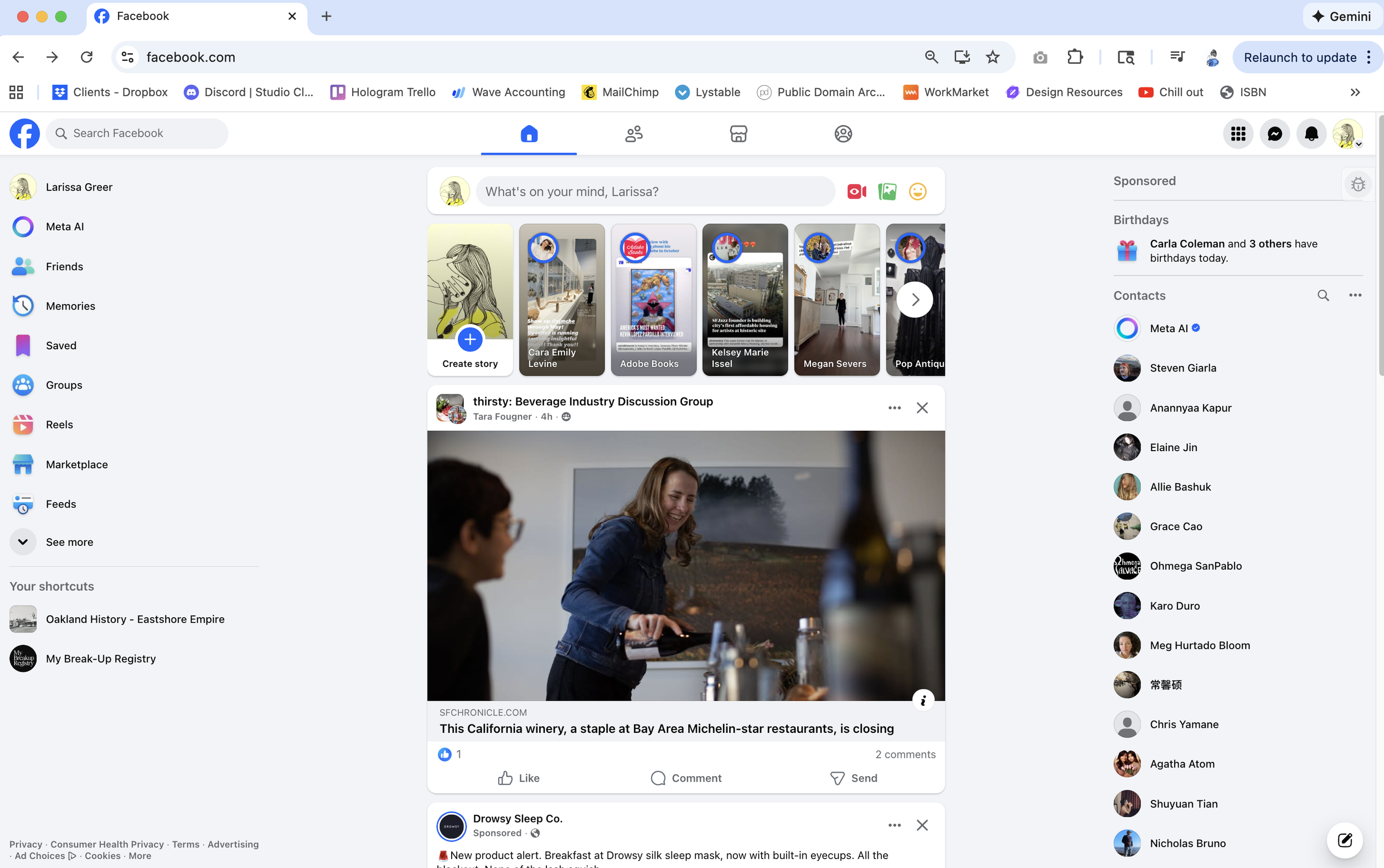
Facebook Web Home was at a strategic crossroads—despite comprising only 4% of Facebook DAU, it delivers outsized value through higher CPM and deeper engagement sessions—making it a high-leverage surface for revenue impact. We focused on three main areas: navigation confusion, an overcrowded homepage, and a one-size-fits-all layout.
This wasn’t just a design sprint—it was the first AI-native design sprint ever run on the Facebook Social Design Team. There was no playbook. No prior team had really done this before within the Facebook org, which meant the core team (myself, EM, PM, and PD) had to solve 2 problems simultaneously: reimagining the Facebook Web Home experience AND pioneering a new way of working as product design leaders.
Being the pilot meant…
Building the plane while flying it: the team couldn’t front-load months of process design. We had to be experimental by nature of the challenges we faced. Trying AI tools out and stress-testing processes in real sprint conditions, we learned quickly what worked and what didn’t. We adapted our approach fluidly, making sure that the core goal of experience improvement was the focus.
Discovering capabilities and limitations together: some of what AI could do exceeded expectations (especially prototyping), but some areas clearly fell short (judgment, taste, strategic alignment, human insights). The sprint became a live experiment in where the ideal human/AI collaboration can exist. We allowed ourselves to be open to the process.
Setting the standard for what comes next: as a pilot sprint, every decision—how to structure the sprint, when to lean on AI vs. human expertise, how to bring fractional XFN into the loop—became a template for the team’s future work, and pre-dated the company’s formal training and onboarding to AI tools. We had to teach ourselves how to do it in real-time fin order for that training to be successful, and it was.
Earning trust through results: the pilot has to prove the concept. The team couldn’t just claim that AI-native sprints could work without shipping and scaling real impact. Our approach was successful and made the case for similar efforts across the company. We also came out of this experience a stronger, more connected team of collaborators. We had fun building trust!
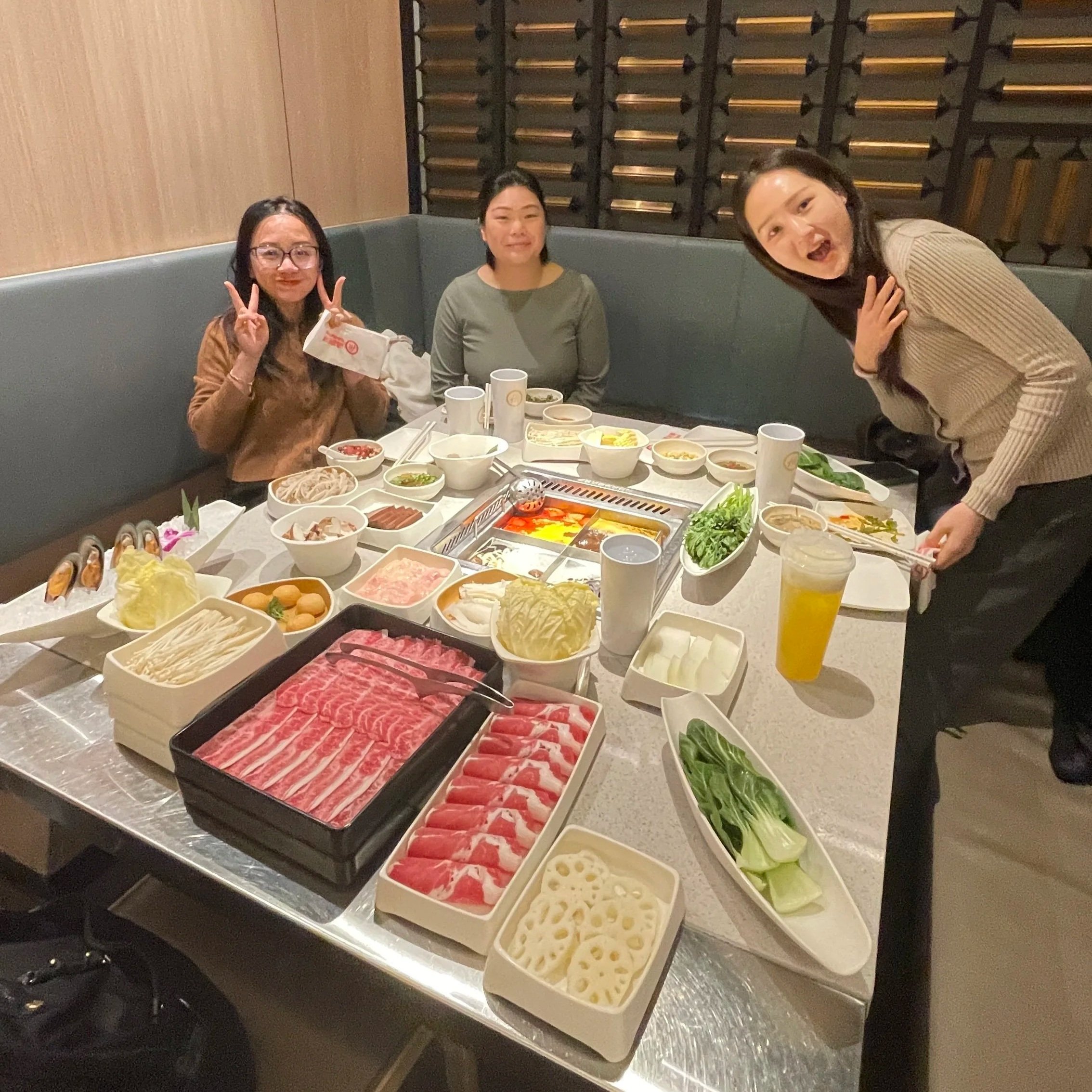
Our sprint approach was lean, fractional, AI-Native, and included a lot of coffee and snacks. Rather than assembling a massive permanent team, this sprint operated on a lean, pod-driven flex model with 3 structural layers.
Core team: responsible for strategy, judgment, orchestration and deployment (PD, CD, PM, EM)
AI execution layer: where prototyping, synthesis and scaffolding happens (using Cursor and agents)
Fractional SMEs: our friends from design teams across Creators, Groups, Music, Content Liquidity, Feed, etc.
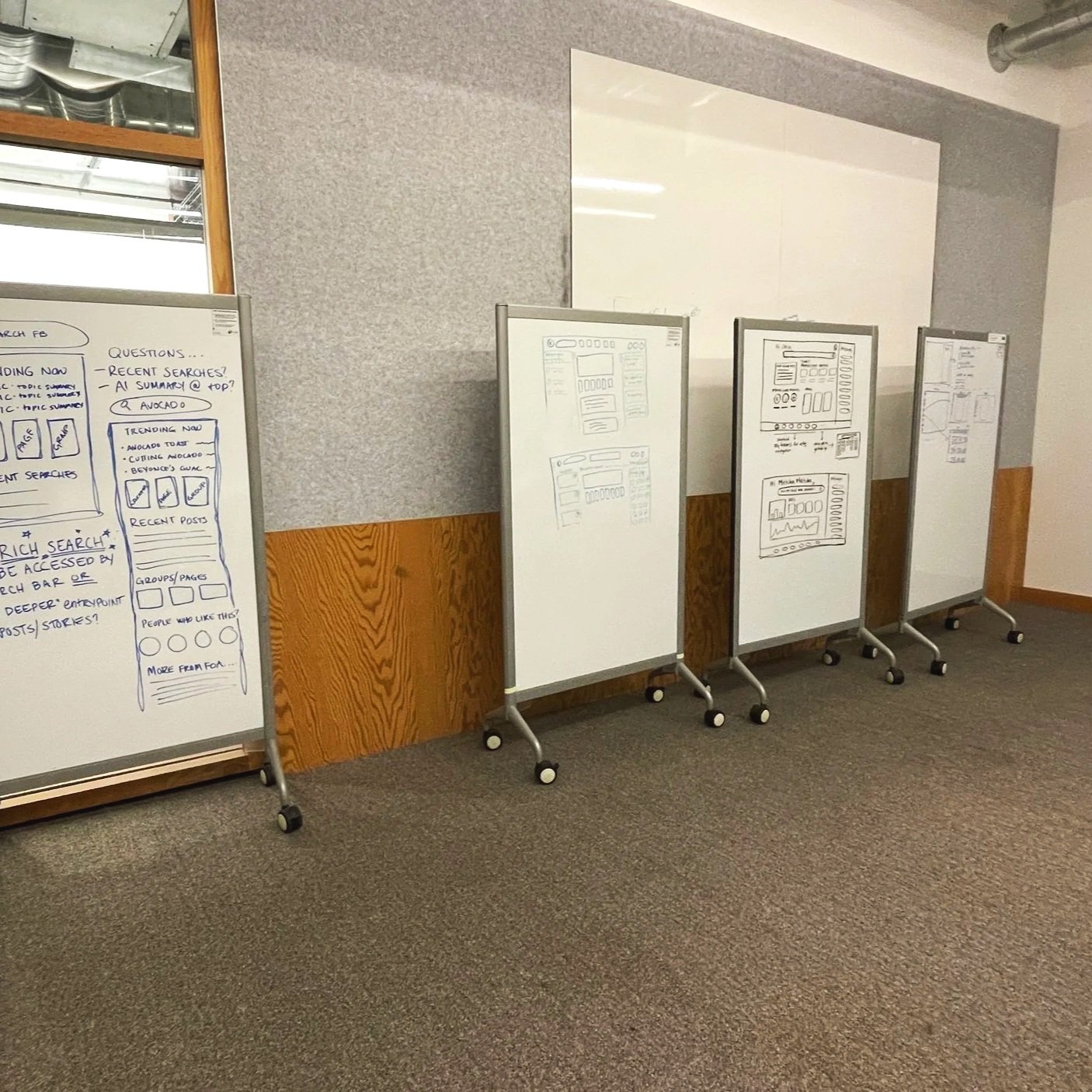
As the team’s first AI-native sprint, we developed a strategy that integrates AI as prototyper and synthesizer with humans in the loop at every phase. The original hypothesis of humans ON the loop actually means humans IN the loop. At every step.
We kept the focus on our 3 pain points, met with fractional XFN experts (UXR, DS) in upfront learning sessions to preserve everyone’s bandwidth for heads-down work, made the agreement to prioritize alignment for the sake of speed, and ultimately led a quick sprint on a surface to “supercharge” it. This proved that “rethink” work didn’t require a massive org effort or even many hands. The attendee list was capped at ~20 participants total, with 10 designers prototyping.
Our sprint philosophy also encouraged “learning out loud,” meaning we had a debrief discussing what worked and what didn’t, candidly, so that our peers and XFN teams who wanted to try this could learn from our documentation.
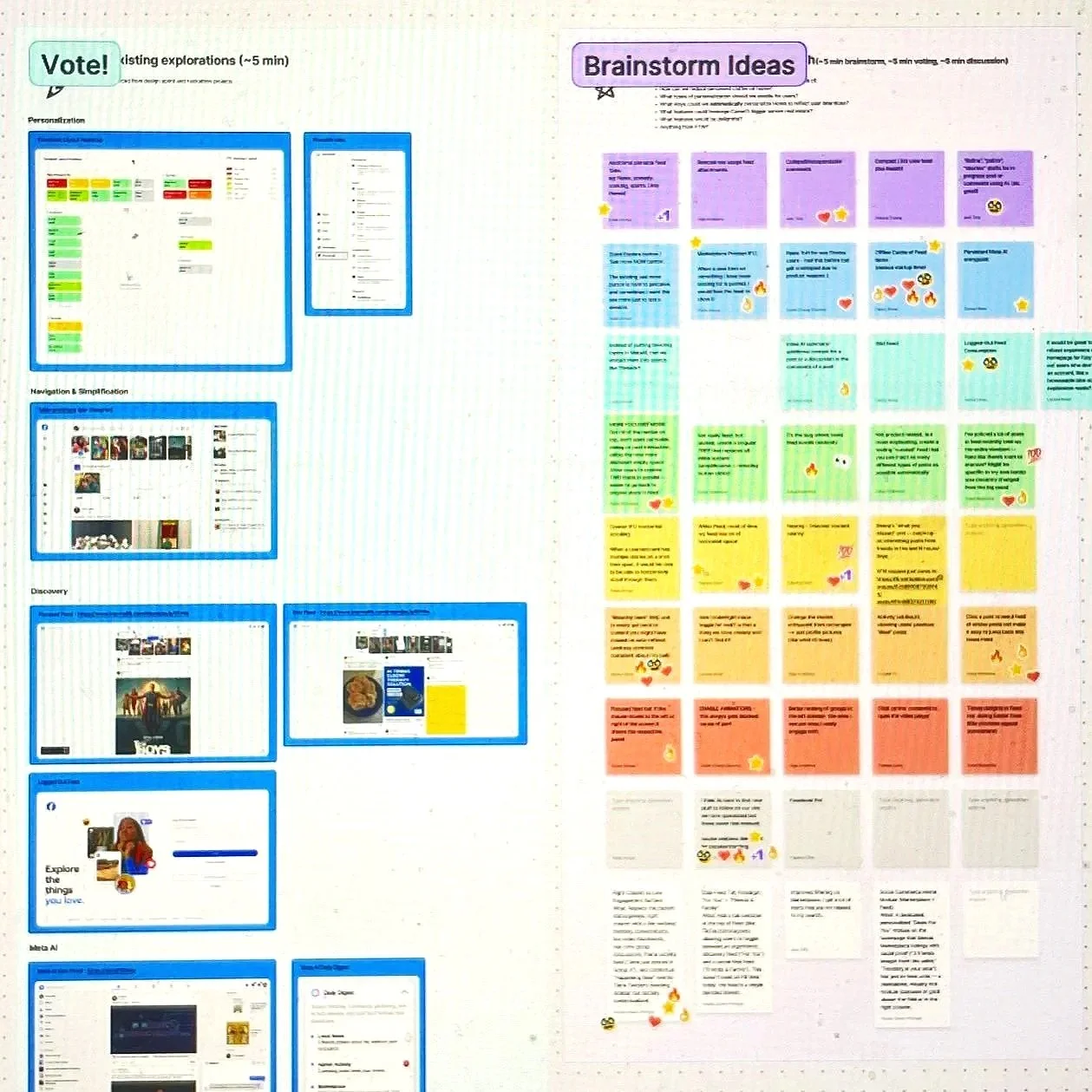
The magic of prototyping together cannot be understated in relation to this work. Subject matter experts coming together can create powerful new visions in a fraction of the time. We had so many fantastic ideas, and AI made it possible for us to branch all of our prototypes together into one Super Experience that we then refined as a group. It was a blast, we had so much fun sharing knowledge and being creative together, even in the middle of a year of dramatic change and uncertainty at Meta.
We had designers from key areas join us in the build, meaning we were all collaborating on the same goal: building the same Home where we all live together. Why did this matter?
Every surface owner became a co-author of our shared vision: we know the edge cases, the user’s mental models, all previous limitation and tradeoffs that have been made, and what each surface really needs to thrive. Experience experts are critical, and by working together suddenly we (Web Lead Team) had advocates and architects working on improvements from every corner of the ecosystem.
Alignment happened through making, not meetings: instead of leaning on weeks of stakeholder reviews and presentation decks to create buy-in, alignment emerged organically from the act of building together. When someone prototypes a solution with their own hands, they’ve already bought in. The sprint replaced organizational friction with creative momentum and partnership.
AI tools were the great equalizer: with Cursor and AI-assisted prototyping, the barrier to high-fidelity output dropped dramatically. Designers who might normally need engineering support to explore an idea could instead generate functional prototypes instantly. This meant more ideas explored, faster iteration, and bolder concepts from everyone—regardless of technical skill or ability. It was more about technical and conceptual curiosity, and this was revelatory.
Cross-pollination sparked real, unexpected solutions: when the Creators team sees how Content Liquidity thinks about surfacing content, or when the Music team sees how Groups handles community engagement, new synthesis happens that no single team would arrive at alone. The diversity of perspectives—all prototyping on the same canvas—created ideas even bigger than the problem areas we came together to solve.
It built lasting relationships around a shared language: designers who work together develop a shared vocabulary and mutual respect that extends far beyond the workshop itself. The fractional experts who dropped in became ongoing collaborators, making future XFN work more efficient and helpful to the team’s collective goals. Trust and context were already established, smoothing out any downstream issues that may arise during implementation.
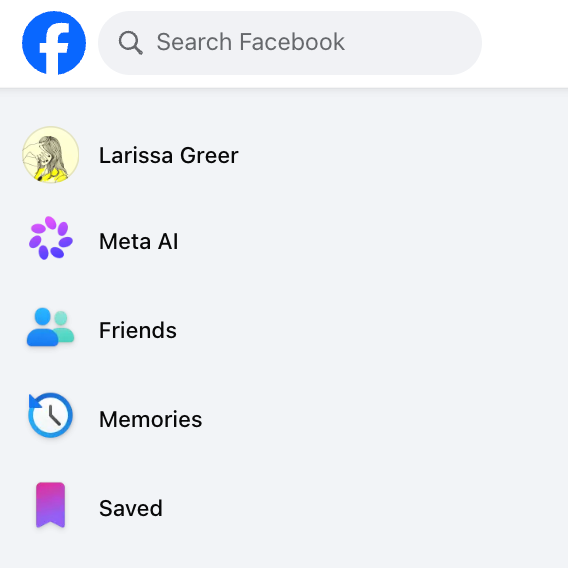
We quickly identified and shipped a TON of feature changes and updates, totaling 16 launches from one 3-day sprint, and helping us meet our team goal for engagement months ahead of schedule. It was a very big deal.
Some of the kinds of things we shipped were practical, necessary updates like Single-row UFI, Multi-bucket stories units, Stories tray optimizations, Top of Home personalization, Simplified icons, Menu trimming and improvements, resulting in performance wins so drastic they were a key talking point at the VP’s town hall. We increased video production by 10%, and launched Notes on web, increasing DAP and time spent by 2%. We established new design principles and processes by pioneering this new way of working inside Facebook.
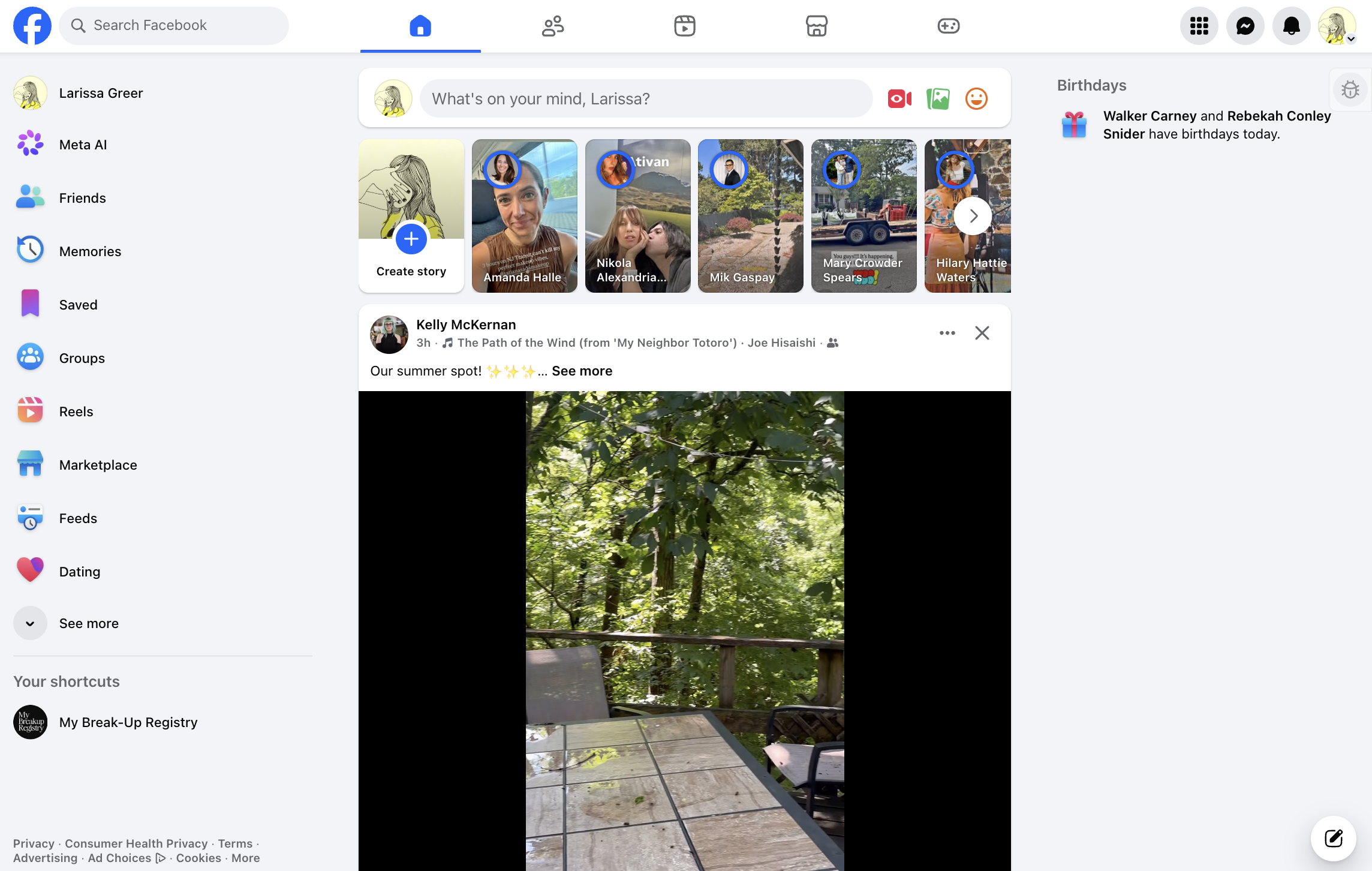
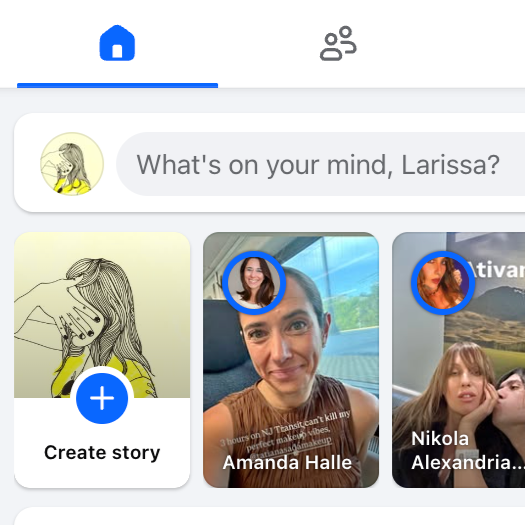
My teammates and I at Facebook had no idea what would come next for us when we held this sprint, but that kind of open-minded, courageous, experimental energy is what keeps bringing me back to Meta again and again (this was my 3x boomerang). We truly hope you enjoy our lighter, easier-to-use home experience (pictured above).
Excited to see what’s ahead for our Social Experience team, but I’m very proud of my legacy on Web Home. I fully vibe coded and personally shipped real code to Facebook Top of Home with the support of my Facebook Engineering colleagues. It was thrilling to land my first-ever diff in our codebase. Something I never thought I would ever do.
Thanks for pushing the boundaries with me, Facebook!